
India iPhone Sales: India’s smartphone market is facing fresh challenges as rising prices and cautious consumer spending affect demand. Apple has enjoyed strong growth in India over the past few years. However, recent market reports show that smartphone buyers are becoming more careful about when they purchase a new device.
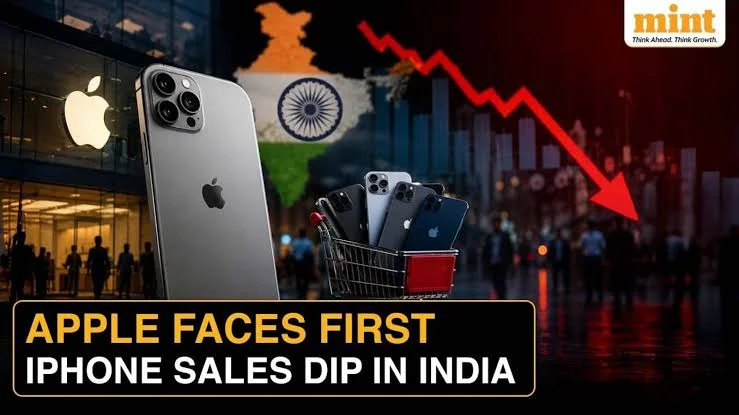
According to Counterpoint Research, Apple’s iPhone shipments in India declined by 3% year-on-year in the second quarter of 2026. The overall Indian smartphone market also fell by 10% during the same period. However, Apple continued to attract buyers despite supply constraints and inventory shortages. Source: Counterpoint Research
This slowdown raises an important question. Are high prices changing buying habits, or are customers simply keeping their existing phones for longer? Let’s look at the main reasons behind the changing iPhone market in India.
India’s Smartphone Market Is Losing Momentum
India has become an important market for smartphone manufacturers. Over the years, new launches, festive discounts and affordable financing have encouraged millions of consumers to upgrade their devices.
However, buying patterns are beginning to change. Many people already own smartphones that offer good cameras, reliable performance and long battery life. As a result, they may not feel the need to replace their devices every year.
According to Counterpoint Research, India’s smartphone shipments declined by 10% year-on-year in the April-June quarter of 2026. Higher device prices and weaker consumer demand contributed to the decline.
Why Are iPhone Sales Facing Pressure in India?
Several factors could influence iPhone demand in India. These include rising prices, longer upgrade cycles and the availability of competing smartphones.
1. Rising Smartphone Prices Are Affecting Demand
Price remains one of the biggest considerations for Indian smartphone buyers. Although many consumers want an iPhone, its premium price can make the purchase difficult.
Higher component costs have also put pressure on smartphone manufacturers. When production becomes more expensive, brands may increase retail prices or reduce the discounts available to customers.
For Apple, maintaining demand will depend partly on how well its products match customers’ budgets and expectations.
2. Consumers Are Keeping Their Phones for Longer
Another important factor is the longer smartphone replacement cycle.
A modern iPhone can remain useful for several years. Its performance, camera quality and software support may continue to meet the needs of everyday users long after its launch.
For example, someone using an iPhone 13 or iPhone 14 may not see enough practical benefits to justify buying a newer model immediately.
This behaviour can reduce demand for new devices, even when consumers remain interested in the brand.
3. EMI Options and Discounts Influence Buying Decisions
Monthly instalments and exchange offers have helped make premium smartphones more accessible in India.
These offers allow customers to spread the cost of a device over several months. However, the final decision still depends on the available discount, credit eligibility and monthly budget.
If attractive offers become less generous, some buyers may postpone their purchases.
Similarly, customers who already own a relatively recent iPhone may prefer to wait for a bigger festive discount rather than pay the full launch price.
4. Competition in the Premium Smartphone Market Is Growing
Apple also faces competition from Android manufacturers.
Brands such as Samsung and Google offer premium smartphones with advanced cameras, powerful processors and artificial intelligence features. Several other manufacturers compete through fast charging, high-resolution displays and aggressive pricing.
As a result, buyers have more options than before.
This growing competition means Apple must continue to give customers clear reasons to choose an iPhone over other premium smartphones.
Is Apple’s Position in India Really Getting Weaker?
A decline in quarterly shipments does not automatically mean that a company is losing its long-term position.
In fact, Apple’s performance in India has been strong over a longer period. Counterpoint Research reported that Apple achieved a record 28% share of India’s smartphone market by value in 2025. The iPhone 16 was also the country’s most-shipped smartphone model that year. Source: Counterpoint Research
These figures show why it is important to examine more than one quarter before judging Apple’s performance.
Inventory levels, supply availability and retailer orders can all affect shipment figures.
Therefore, a temporary shipment decline should be viewed in context rather than treated as proof of a lasting business problem.
Are New iPhones Worth Upgrading To?
For many consumers, the decision to upgrade depends on their current device.
Someone using an older iPhone may notice meaningful improvements in camera performance, battery efficiency, processing speed and software capabilities. In contrast, a person using a recent model may find fewer reasons to upgrade immediately.
Before purchasing a new iPhone, buyers should consider three questions.
First, does the current phone still perform well for everyday tasks? If it does, keeping it for another year could be a sensible choice.
Second, will the new model offer features that genuinely improve daily use? Better photography, additional storage or specific software features may justify the expense for some users.
By considering these factors, consumers can make a more informed decision instead of upgrading simply because a new model has arrived.
How Apple Could Respond to Changing Consumer Demand
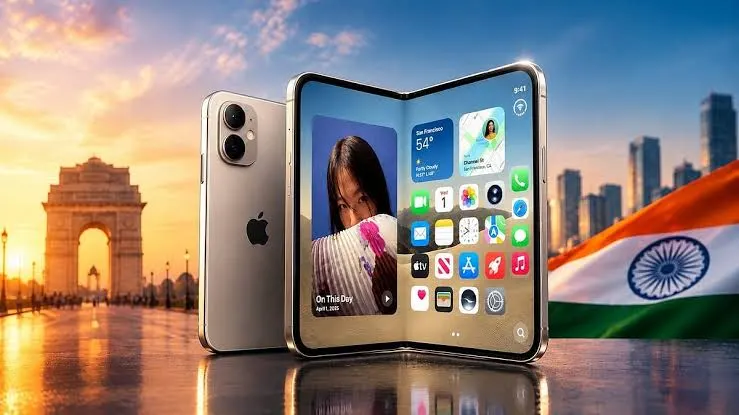
Apple has several ways to maintain its appeal in India. Pricing, product availability and customer experience will remain important as buyers become more selective.
More Competitive Pricing and Exchange Offers
Discounts during major shopping events can encourage customers to purchase a new iPhone.
Exchange programmes may also reduce the effective cost of upgrading. However, the actual savings depend on the old device’s condition, model and eligibility.
More attractive offers could help Apple reach customers who are interested in an iPhone but are unwilling to pay its full launch price.
Expanding Local Manufacturing
Apple has expanded its manufacturing operations in India in recent years. Local production can help strengthen its supply chain and reduce reliance on imports.
However, manufacturing a device in India does not automatically guarantee a lower retail price. Component costs, taxes, logistics and Apple’s pricing strategy also influence the final price.
Even so, a stronger local manufacturing network can support Apple’s long-term operations in the country.
Giving Buyers More Reasons to Upgrade
Apple may also need to focus on features that offer clear benefits in everyday use.
Camera improvements, battery efficiency, software capabilities and useful AI features can influence purchasing decisions. Nevertheless, customers will judge these improvements against the price of a new device.
When the benefits are clear, buyers may be more willing to replace their existing phones.
What Does the iPhone Sales Slowdown Mean for Indian Buyers?
The changing market does not necessarily mean that Indian consumers have stopped buying iPhones.
Instead, it suggests that purchasing decisions are becoming more sensitive to price, product improvements and household budgets.
Customers now have a wider range of devices to choose from. They can also compare prices across online stores, offline retailers and exchange programmes before making a decision.
This shift could encourage manufacturers to focus more closely on affordability, useful upgrades and the overall ownership experience.
Final Verdict: India iPhone Sales
Apple’s recent shipment performance shows that even a popular premium brand can face pressure when smartphone demand weakens.
Counterpoint Research reported a 3% year-on-year decline in Apple’s India shipments in the second quarter of 2026. At the same time, the wider Indian smartphone market recorded a 10% decline.
However, Apple’s record value share in 2025 highlights its strong position in India’s premium smartphone market.
The key question is whether future demand will improve as prices, supply conditions and consumer preferences change. Further quarterly data will provide a clearer picture.
Ultimately, Apple’s performance in India will depend on its ability to balance premium pricing with the needs of an increasingly selective market.
India iPhone Sales: click here
Also Read This
- Nothing OS 5.0 Android 17 Update: Release Date and Eligible Phones
- Apple HomeView: A Smart Home Experience Designed for Life at Home
- Jio Platforms IPO 2026: Price Band, Lot Size, Dates and Minimum Investment
- Top 5 Best-Selling SUVs in India in September 2026
- Tesla Roadster 2026: Flying Demo, Sub-Second Acceleration and Expected Launch