
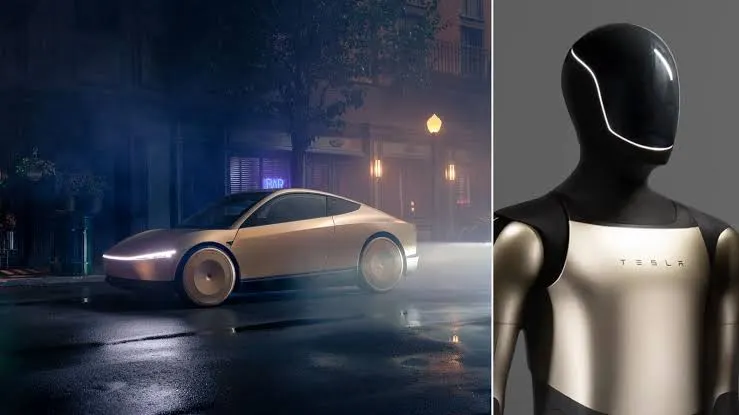
Tesla’s Optimus humanoid robot aims to transform how businesses handle physical tasks. From working in factories to moving packages, it could have several practical uses. However, one important question remains: Can Tesla Optimus handle last-mile delivery?
Last-mile delivery means transporting packages from a local distribution center to customers’ doorsteps. Although the task sounds simple, it requires reliable movement, long battery life, and the ability to handle unexpected situations.
Let’s explore the main challenges and future possibilities.
Why Optimus Could Be Useful for Delivery
Most buildings are designed for humans. Stairs, elevators, narrow corridors, and door handles can make delivery difficult for traditional wheeled robots.
A humanoid robot like Optimus could potentially walk upstairs, carry packages, and navigate certain obstacles. This design gives it an advantage in places where wheels struggle.
However, performing these tasks during a demonstration is different from completing an entire delivery route independently.
1. Battery Life and Power Consumption
Walking on two legs requires continuous balance and coordination between multiple motors. Optimus also needs computing power to process information from its cameras and other sensors.
During delivery, climbing stairs and carrying packages can increase energy consumption. As a result, frequent charging could reduce the number of deliveries the robot completes in a day.
To become commercially useful, Optimus needs efficient movement, sufficient battery capacity, and a practical charging system.
2. Package Weight and Balance
Carrying packages requires more than physical strength. A robot must maintain balance while moving with different loads.
For example, a heavy or awkwardly shaped box can make walking on stairs more difficult. The robot must also maintain a secure grip and avoid slipping.
Although advanced motors and sensors can help, reliable performance under different conditions remains essential. Tesla would need to demonstrate that Optimus can carry packages safely across real-world delivery routes.
3. Weather and Outdoor Challenges
Unlike factories, streets and residential areas have unpredictable conditions. Robots may encounter rain, dust, extreme temperatures, uneven pavements, and slippery stairs.
These conditions can affect cameras, sensors, electrical connections, and moving components. Therefore, Optimus needs durable hardware and reliable environmental protection.
It must also navigate crowded footpaths and respond safely to unexpected obstacles. These challenges make outdoor delivery much harder than working inside a controlled environment.
4. Can Optimus Make Deliveries Affordable?
Cost is another major challenge. Humanoid robots require batteries, motors, sensors, computing hardware, maintenance, and repairs.
Meanwhile, human delivery workers can adapt quickly to unexpected situations. Electric cargo bikes and small delivery vehicles can also handle many routes without the complexity of a humanoid robot.
However, Optimus could become a useful option if it operates reliably, requires less maintenance, and completes deliveries at a competitive cost.
Until then, businesses must compare its total operating costs with existing delivery methods.
5. Can Optimus Handle Doors and Elevators?
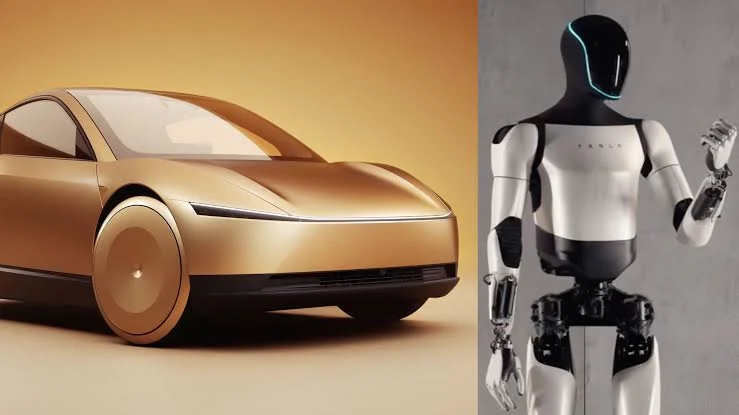
Last-mile delivery involves more than carrying a package. A robot may need to press a doorbell, enter a building, use an elevator, or follow special customer instructions.
Every building has different layouts and access requirements. Therefore, Optimus needs advanced AI to recognize its surroundings and respond appropriately.
Although AI can improve these abilities, reliable operation in unfamiliar locations requires extensive testing. The robot must also recover safely when something unexpected happens.
Can Tesla Optimus Deliver Packages in the Future?
Optimus could eventually support certain logistics tasks. For example, businesses might use humanoid robots to move packages inside warehouses or transport items between designated areas.
These controlled environments are generally easier to manage than busy streets. Outdoor delivery requires better navigation, weather protection, battery performance, and safe interaction with people.
As robotics technology improves, Optimus may become more capable. However, its success will depend on proven performance rather than promotional demonstrations.
Final Verdict
Tesla Optimus has promising potential, but last-mile delivery remains a challenging application. Battery life, package handling, weather resistance, and operating costs all need careful consideration.
Moreover, the robot must navigate unfamiliar environments and deliver packages safely without constant human assistance.
So, is Tesla Optimus ready for last-mile delivery? Its future potential is exciting, but widespread, fully autonomous doorstep delivery has not yet been established.
For now, controlled warehouse tasks appear to be a more practical starting point. Before Optimus becomes a regular delivery worker, Tesla must prove that it can operate safely, reliably, and economically in real-world conditions.
Also Read This
- Hyundai BAYON Launched at ₹9.99 Lakh: Price, Features and Engine
- Harry Kane Ballon d’Or 2026: A Historic Win for England
- Microsoft Voluntary Buyout: AI and Workforce Restructuring Explained
- iPhone Duo vs Samsung Galaxy Z Fold 8: Which Is Better?
- Agile Robots Plans 2,000 Humanoid Robots With NVIDIA