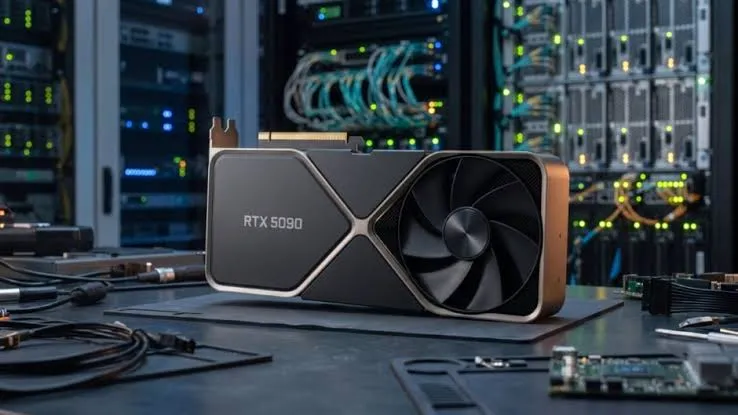
NVIDIA RTX 5090 Production Halt: NVIDIA’s GeForce RTX 5090 is one of the most powerful consumer graphics cards available, but recent reports have raised questions about its future. According to hardware industry leaks published in October 2026, NVIDIA may be redirecting supplies of the chip used in the RTX 5090 towards its professional RTX PRO graphics cards. However, NVIDIA has not officially confirmed that it has discontinued the RTX 5090.
The reports have also sparked speculation about a possible GeForce RTX 5080 with 24GB of VRAM. If this model becomes reality, it could attract gamers who want high-end performance without relying on the RTX 5090. For now, though, the reported production change and the rumored 24GB model should be treated as unconfirmed developments.
So, has NVIDIA really stopped making the RTX 5090? And could another graphics card become the new king of gaming? Here is what gamers need to know.
Has NVIDIA Really Stopped RTX 5090 Production?
Recent reports suggest that NVIDIA may have stopped allocating new GB202 chips to the GeForce RTX 5090. These reports claim that future supplies could instead be reserved for professional graphics products, including the RTX PRO series. The information comes from hardware industry leakers rather than an official NVIDIA announcement. 1
This distinction matters because a reported production halt is not the same as a confirmed product discontinuation. Existing graphics cards may still be available through retailers and system builders, even if new supplies become limited.
For gamers planning a high-end PC build, the biggest concern is whether RTX 5090 availability will decline in the coming months. Until NVIDIA or its board partners provide an official update, buyers should avoid treating these reports as final confirmation.
Why Would NVIDIA Prioritize AI and Professional GPUs?
One possible explanation is the growing importance of artificial intelligence and professional computing. NVIDIA supplies graphics processors for gaming, AI development, scientific research, data centers and professional visualization.
AI companies use powerful accelerators to train and run large models. Meanwhile, businesses need GPUs for complex simulations, engineering, 3D rendering and other demanding workloads.
These markets can offer different commercial opportunities from consumer gaming. However, the latest reports do not establish NVIDIA’s exact reasons for the alleged RTX 5090 production change.
AI Demand Could Influence GPU Supply
Modern graphics processors rely on complex manufacturing processes, advanced packaging and high-bandwidth memory. Production capacity across the semiconductor supply chain is not unlimited.
As demand changes, manufacturers may adjust how they allocate chips and other components. If NVIDIA reserves more GB202 silicon for professional products, the supply of new RTX 5090 cards could become tighter.
Could RTX 5090 Prices Increase?
A reduction in available stock can put upward pressure on prices, especially when demand remains strong. Therefore, if the RTX 5090 becomes harder to find, some retailers may charge more for the remaining cards.
However, higher prices are not guaranteed. Actual pricing will depend on existing inventory, retailer competition, regional taxes, exchange rates and demand from PC enthusiasts.
What Should Indian Gamers Expect?
For Indian buyers, the situation could be particularly important because flagship graphics cards already require a substantial budget. Import costs, taxes, retailer margins and currency movements can affect final prices.
If RTX 5090 stock declines, some retailers may increase their asking prices. However, there is not enough confirmed information to predict a specific price increase or a shortage timeline in India.
Instead of rushing to buy a card because of a rumour, compare current prices and available alternatives. A well-priced RTX 5080 or RTX 5070 Ti may be more sensible for many gaming PCs, depending on the resolution, performance targets and total budget.
Is an NVIDIA RTX 5080 24GB Version Coming?
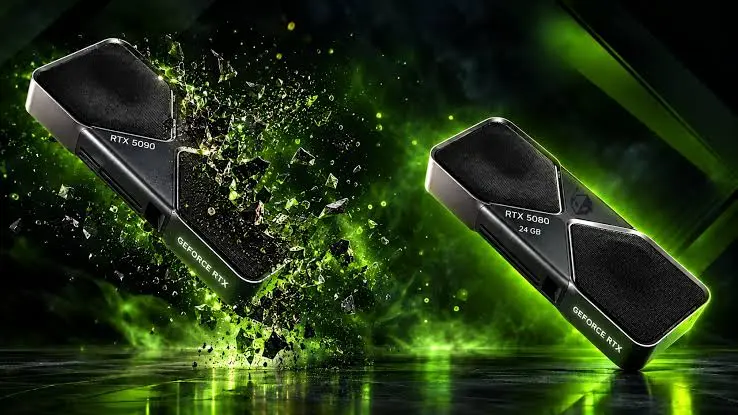
Another major claim circulating alongside the RTX 5090 reports concerns a possible RTX 5080 with 24GB of VRAM. Some hardware leaks suggest that this version could become NVIDIA’s highest-end consumer GeForce graphics card if the RTX 5090 is phased out.
However, NVIDIA has not officially announced a 24GB desktop RTX 5080 in the information available for this report. The standard desktop RTX 5080 was announced with 16GB of GDDR7 memory. 2
That means the rumored 24GB version should not be confused with an officially released product.
Why Would 24GB of VRAM Matter?
Video memory, commonly called VRAM, stores graphics data that a GPU needs to render games and other visual workloads. More VRAM can help when games use high-resolution textures, detailed environments and demanding graphics settings.
A 24GB graphics card could also appeal to creators who work with large 3D scenes, high-resolution video projects and other memory-intensive applications.
However, more VRAM does not automatically mean higher gaming performance. GPU architecture, processing power, memory bandwidth, cooling and software optimization also influence the final result.
For example, a card with 24GB of VRAM could still perform worse than a more powerful GPU with less memory in some games. Its real value would depend on the complete hardware specifications and independent benchmark results.
RTX 5080 vs RTX 5090: What Is the Difference?
NVIDIA introduced both cards as part of its GeForce RTX 50 Series, based on the Blackwell architecture. The RTX 5090 sits above the RTX 5080 in the original desktop lineup.
Here is a quick comparison of the officially announced desktop models.
| Feature | GeForce RTX 5090 | GeForce RTX 5080 |
|---|---|---|
| Architecture | NVIDIA Blackwell | NVIDIA Blackwell |
| VRAM | 32GB GDDR7 | 16GB GDDR7 |
| CUDA cores | 21,760 | 10,752 |
| Memory interface | 512-bit | 256-bit |
| Launch MSRP | $1,999 | $999 |
| Target audience | Enthusiast gaming and demanding workloads | High-end gaming and content creation |
The RTX 5090 has more processing resources and twice the VRAM of the standard RTX 5080. As a result, it targets users who want top-tier performance and are willing to pay a premium.
The RTX 5080, meanwhile, offers a lower-cost route into high-end gaming. It can be a strong option for demanding games, including 4K titles, although actual frame rates depend on the game, graphics settings and use of features such as DLSS.
If a 24GB RTX 5080 eventually launches, its performance and price will need to be tested before anyone can determine whether it is a genuine replacement for the RTX 5090.
Could the RTX 5080 Become the New Gaming King?
The answer depends on what NVIDIA releases next and how the market responds.
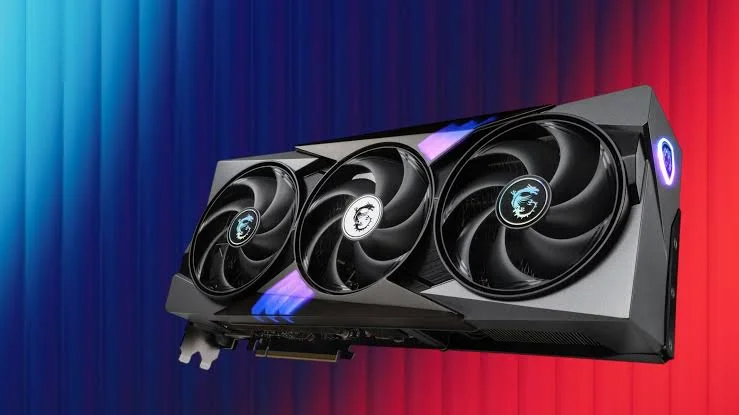
If the RTX 5090 becomes less available, a higher-memory RTX 5080 could attract enthusiasts looking for a powerful consumer GPU. It might also offer an appealing balance between memory capacity and price if NVIDIA positions it competitively.
However, VRAM alone cannot make a graphics card the best gaming GPU. Buyers should consider performance at 1440p and 4K, ray tracing, power consumption, cooling, noise levels and price.
Until the rumored model is officially announced, gamers should not delay every purchase simply because a new card might arrive.
What Does This Mean for PC Gamers?
The reported RTX 5090 production change highlights a broader challenge for the graphics card market. NVIDIA serves both consumers and professional customers, and those groups have different performance requirements and budgets.
Still, most gamers do not need the most expensive GPU on the market. A graphics card should match the games you play, the resolution of your monitor and the performance you actually need.
For example, 1440p gamers may find that a more affordable high-end card delivers excellent results. Even for 4K gaming, the best choice depends on the games, desired frame rate and willingness to use upscaling or frame-generation features.
Should You Buy an RTX 5090 Now or Wait?
Your decision should depend on your current PC and how urgently you need an upgrade.
If you need the RTX 5090’s performance for demanding games, professional rendering or other intensive workloads, compare available prices and buy only from a reputable seller. Check the return policy and warranty before paying a premium.
If your current graphics card still meets your needs, waiting for clearer information may be the better choice. An official NVIDIA announcement or reliable independent testing could help you make a more informed decision.
Most importantly, avoid panic buying. Rumours can influence prices before the facts become clear, and a rushed purchase can leave you paying more than necessary.
Final Verdict: NVIDIA RTX 5090 Production Halt:
The possibility of NVIDIA redirecting RTX 5090 chip supplies towards professional GPUs has raised understandable concerns among PC gamers. If the reports prove accurate, the availability of its flagship consumer graphics card could become more limited.
However, NVIDIA has not officially confirmed the reported production halt, and the rumored RTX 5080 24GB remains unannounced. Both developments need further verification before gamers can draw firm conclusions.
Ultimately, the next gaming king will not be decided by rumours alone. Performance, availability, price and real-world results will determine which GPU deserves that title.
Sources
- Tom’s Hardware: NVIDIA reportedly halts RTX 5090 production
- NVIDIA GeForce: RTX 50 Series graphics cards and specifications
Also Read This
- 2026 Nobel Prize in Literature: Anne Carson Redefines the Boundaries of Writing
- Acer Launches New 5G Tablet With Up to 2TB Expandable Storage
- Best SUVs Under ₹10 Lakh: Tata Punch Alternatives Worth Considering
- China’s New Quality Productive Forces: 19 Key Measures Explained
- Vivo Y32 Launched With an 8,000mAh Battery: Features, Camera and Price