Bilibili Go Global: China’s fast-growing video platform is expanding worldwide, but can it compete with the world’s biggest creator ecosystem?
Introduction
When people think about video streaming or content creation, YouTube is usually the first platform that comes to mind. It has become the default home for creators, educators, gamers, and entertainment lovers across the world.
However, another platform is quietly expanding beyond China and attracting millions of young users. That platform is Bilibili.
Originally known for anime and gaming content, Bilibili is now entering international markets through its Bilibili Go Global strategy. This raises an important question: Can Bilibili become a real competitor to YouTube?
Let’s explore what makes Bilibili different, where it is expanding, and whether it has what it takes to challenge YouTube’s dominance.
Bilibili Go Global Official Website
What Is Bilibili?
Bilibili is a Chinese video-sharing platform that began as a community for anime, comics, and gaming (ACG) fans. Over time, it evolved into one of China’s most popular platforms for young audiences, especially Gen Z.
Today, users can watch a wide range of content, including:
- Gaming videos
- Anime and manga discussions
- Technology reviews
- Educational content
- Music performances
- Lifestyle and entertainment videos
Unlike many traditional video platforms, Bilibili focuses heavily on community interaction rather than passive viewing.
The Danmu Feature Makes Bilibili Different
One of Bilibili’s most unique features is Danmu, also known as Bullet Comments.
Instead of appearing below the video, comments move across the screen while the video plays. As a result, viewers feel like they are watching together with thousands of others.
This creates several advantages:
- Real-time reactions make videos more entertaining.
- Community discussions happen naturally.
- Fans connect over shared interests.
- Watching feels more interactive than traditional comment sections.
Although this feature is extremely popular in China, international audiences may need time to get used to it.
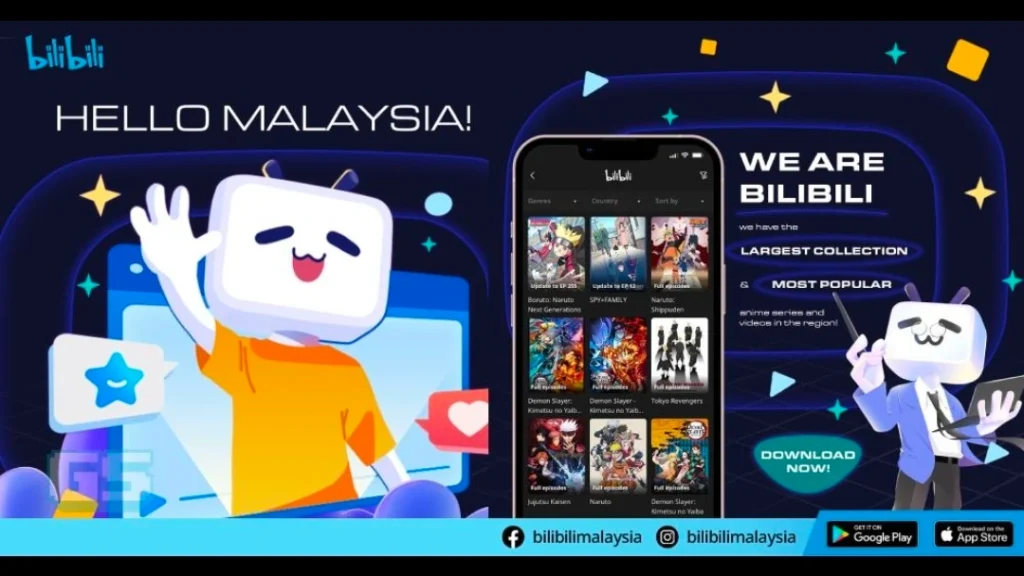
Why Is Bilibili Expanding Globally?
Bilibili is no longer focused only on China. Through its Go Global initiative, the company has been expanding into Southeast Asia and other international markets.
Instead of copying YouTube directly, Bilibili is targeting communities that already enjoy niche internet culture.
1. Strong Focus on Niche Communities
YouTube serves almost every type of audience.
Bilibili, on the other hand, builds deeper connections within specific communities such as anime, gaming, cosplay, and pop culture fans.
This strategy helps users feel more connected to creators with similar interests.
2. Better Experience for Anime and Gaming Fans
Many anime and gaming enthusiasts appreciate Bilibili’s recommendation system because it often surfaces highly relevant content within these categories.
For users who primarily watch anime, esports, or cosplay videos, the platform can feel more personalized.
3. Creator-Friendly Engagement Tools
Bilibili has also introduced various creator support features, including monetization options and engagement tools designed to encourage creators to build loyal communities.
Although YouTube still offers a much larger creator economy, Bilibili is trying to attract emerging creators with community-focused features.
also see
- TVS iQube MillionR Special Edition Launched at Rs 1.40 Lakh: What’s New?
- LASK Complete Stunning Comeback to Beat Celtic 5-1 and Reach Champions League
- Vivo V80 Lite 5G Launched: 120Hz AMOLED Display, 50MP Camera and Fast Charging
Can Bilibili Really Compete With YouTube?
The short answer is yes, but only in certain areas.
Replacing YouTube globally is extremely difficult because YouTube has spent years building an enormous ecosystem.
Some of YouTube’s biggest advantages include:
- Billions of active users
- Massive creator network
- Strong advertising system
- Global brand recognition
- Wide device compatibility
Therefore, Bilibili faces an uphill battle.
The Biggest Challenges Bilibili Faces
Cultural Differences
Features like Danmu are normal for Chinese audiences.
However, many international users may initially find moving comments distracting instead of entertaining.
Copyright and Content Rules
Global markets have stricter copyright regulations.
Consequently, Bilibili must carefully manage licensed content and user uploads as it expands internationally.
Brand Awareness
Outside China, many people still associate online video almost entirely with YouTube.
Building similar trust and recognition will take years.
Bilibili vs YouTube: Quick Comparison
| Feature | Bilibili | YouTube |
|---|---|---|
| Main Audience | Gen Z, Anime & Gaming Fans | Everyone |
| Community Style | Interactive Danmu Comments | Traditional Comments |
| Content Variety | Growing | Extremely Broad |
| Global Reach | Expanding | Worldwide Leader |
| Brand Recognition | Limited Outside China | Very High |
What Does the Future Look Like?
Bilibili is unlikely to replace YouTube overnight.
Nevertheless, it is becoming a strong alternative for younger audiences who want a more interactive viewing experience.
If the company continues improving localization, creator support, and international content, it could become a major player in specific niches such as anime, gaming, and pop culture.
Rather than defeating YouTube completely, Bilibili’s biggest opportunity may be creating a different kind of creator community.
Final Thoughts
Bilibili’s global expansion shows that the video platform market still has room for innovation. Its community-first approach, unique Danmu feature, and strong connection with Gen Z make it stand out from traditional platforms.
While YouTube remains the world’s biggest video platform, Bilibili is proving that a focused community experience can attract loyal users in today’s competitive digital world.
Have you ever used Bilibili? Do you think it can become a serious rival to YouTube? Share your opinion in the comments below.
Also See This
Tata Tiago.ev Range Dropping? These Two Hidden Culprits Could Be the Real Reason
iPhone 18 Pro, Vivo X500 Series and More: 5 Biggest Smartphones Expected to Launch in September 2026
VLASH AI: How MIT, NVIDIA, and UC Berkeley Made Robots React Up to 2x Faster
Bilibili Go Global: CLICK HERE