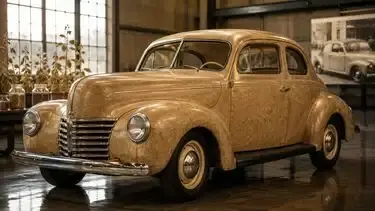
Henry Ford Soybean Car: Imagine a car built not mainly from steel, but from soybeans, hemp, wheat, and other plant-based materials. It sounds like a modern sustainability project, yet this idea was introduced more than 85 years ago.
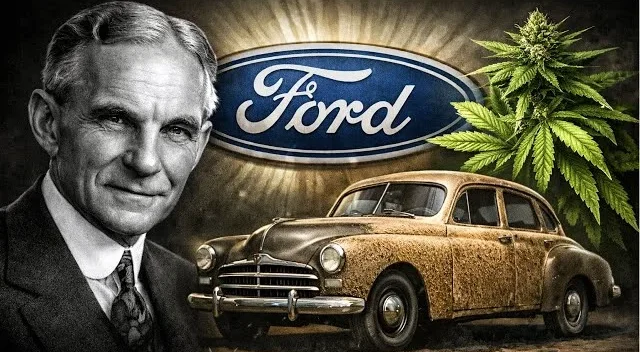
In 1941, Henry Ford, the founder of Ford Motor Company, revealed an experimental vehicle that became known as the Soybean Car. Although it never reached mass production, it showed that eco-friendly automotive innovation began decades before electric vehicles became popular.
Today, as the world focuses on reducing carbon emissions, this forgotten invention has become more relevant than ever.
Why Did Henry Ford Create the Soybean Car?
Henry Ford believed that agriculture and industry should work together. During the 1930s, the United States was recovering from the Great Depression, and many farmers struggled to earn enough from their crops.
Ford wanted to create new markets for agricultural products while reducing the automobile industry’s dependence on heavy metals. As a result, his research team began experimenting with plastics made from renewable plant materials.
His vision was simple: build a lighter car using materials grown on farms instead of relying only on steel.
The Science Behind the Plant-Based Car
The famous 1941 Soybean Car featured a steel tubular frame, while several exterior body panels were made from a lightweight plastic created from agricultural materials.
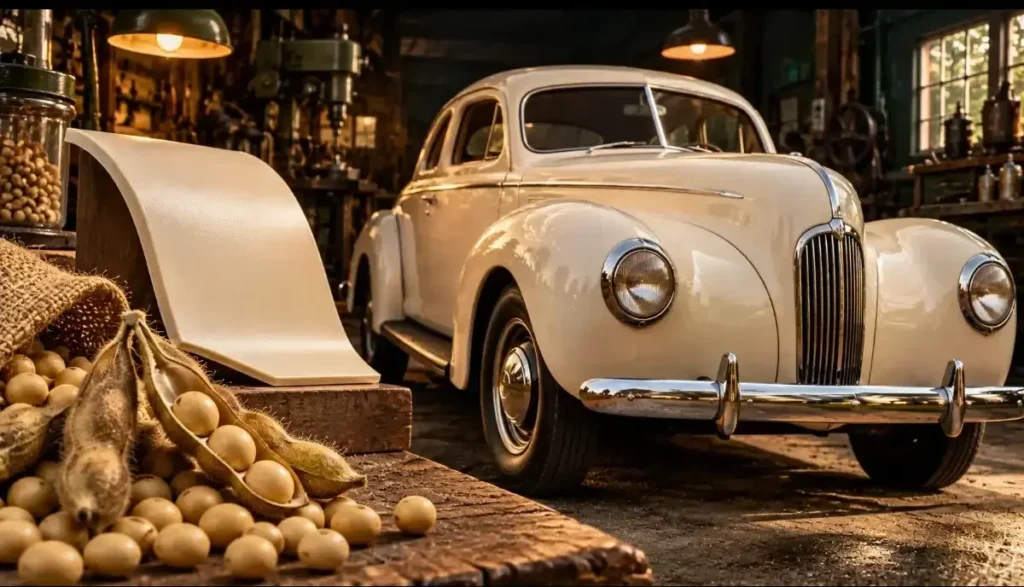
Although Ford promoted soybeans as a major ingredient, researchers believe the material likely included a mixture of soybeans, hemp fibers, wheat, flax, and other plant-based materials combined with resin.
The exact formula has never been publicly confirmed because many original technical records were later lost.
What Made the Soybean Car Special?
Lightweight Design
One of the biggest advantages was its weight. Reports from the time suggested the prototype weighed around 2,000 pounds, making it significantly lighter than many steel cars of its era.
A lighter vehicle could improve fuel efficiency and make driving more efficient.
A Different Approach to Materials
Instead of replacing every metal part, Ford experimented with using plant-based plastics for selected body panels. This showed that renewable materials could play a role in vehicle manufacturing long before modern composite materials became common.
The Famous Axe Demonstration
A well-known story claims Henry Ford struck one of the car’s fender panels with an axe during a public demonstration, and the panel resisted the impact.
However, historians disagree about exactly what happened. While the demonstration has been widely reported, there is limited surviving evidence confirming the details, so it should be viewed as a famous historical claim rather than a proven fact.
Why Did the Project Stop?
Despite its promising idea, several major events prevented the Soybean Car from becoming a commercial product.
World War II Changed Everything
Soon after the prototype was introduced in 1941, the United States entered World War II. Automobile factories shifted their focus from passenger cars to military vehicles, trucks, and equipment.
As a result, experimental projects like the Soybean Car were pushed aside.
Production Challenges
At that time, producing plant-based plastics on a large industrial scale was expensive and technically difficult.
Steel remained cheaper, easier to manufacture, and already supported by an established supply chain.
Henry Ford’s Later Years
During the 1940s, Henry Ford’s health declined, and the company’s priorities changed. Many original design documents, photographs, and technical records connected to the project were later lost or destroyed, making the prototype even more mysterious today.
How Does the Soybean Car Connect to Modern EVs?
Today, companies around the world are once again exploring sustainable materials for vehicle interiors and body parts.
Modern manufacturers use recycled plastics, natural fibers, bio-based foams, and lightweight composite materials to reduce emissions and vehicle weight.
In many ways, Henry Ford’s experiment was decades ahead of its time.
The Lasting Legacy of the Soybean Car
The Soybean Car was never sold to the public, but its impact goes beyond commercial success.
It proved that renewable materials could become part of automotive engineering, inspired future research into bio-based composites, and showed that innovation sometimes arrives long before the world is ready for it.
More than eight decades later, Henry Ford’s forgotten green invention reminds us that some of the best ideas in history simply waited for the future to catch up.
Frequently Asked Questions (FAQs)
Was the Soybean Car completely made from soybeans?
No. It had a steel frame, while several body panels were made from plant-based plastic containing soybeans and other natural fibers.
When was the Soybean Car introduced?
Henry Ford unveiled the experimental prototype in 1941.
Did Henry Ford really hit the car with an axe?
The axe demonstration is widely reported, but historians debate the exact details because strong historical evidence is limited.
Why was the Soybean Car never produced?
World War II, high production costs, and changing company priorities prevented the project from moving into mass production.
Also Read This
- Next Action Prediction in AI Robots: How VLASH Helps Robots Think Ahead
- Apple Faces $5.7 Billion Patent Verdict Over iPhone and Apple Watch Haptic Technology, Plans to Appeal
- Vivo Y600i Review: Is the 8,000mAh Battery Phone Really Worth Buying?
- 5 Best AirPods Pro 3 Alternatives in 2026: Top Wireless Earbuds for Every Budget
- Tesla Optimus Robots Near 1,000 Weekly Production, but the Biggest Challenges Are Still Ahead