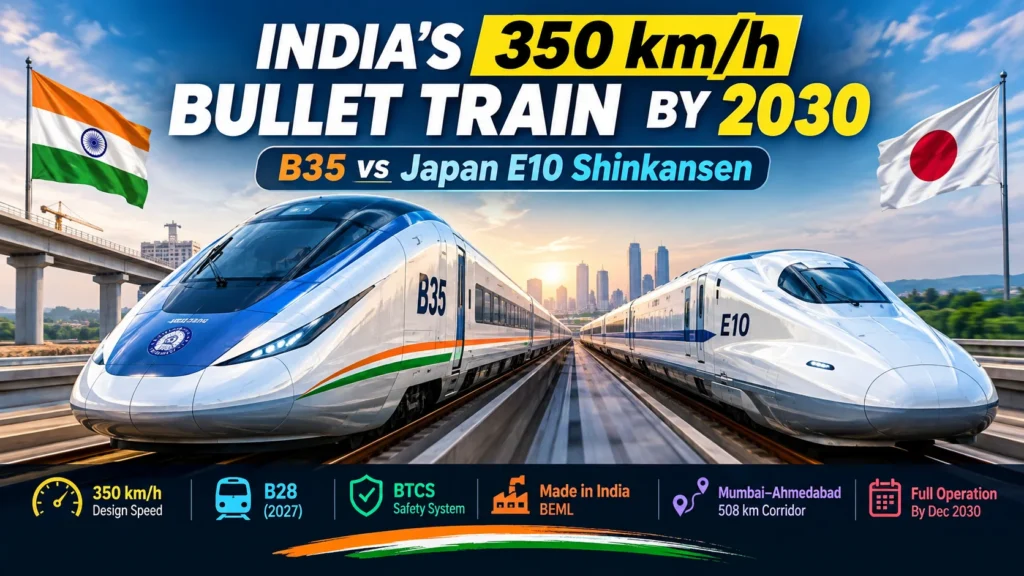
India 350 km/h Bullet Train: India is entering a new era of high-speed rail. Instead of depending only on imported technology, Indian Railways is working towards building its own 350 km/h bullet train, called the B35, with a target launch around 2030.
This ambitious project could place India alongside countries like Japan, whose next-generation E10 Shinkansen is also expected to enter production around the same time. If successful, it would mark one of the biggest milestones in India’s transportation history.
India 350 km/h Bullet Train: click here
India’s High-Speed Rail Strategy Is Changing
The Mumbai-Ahmedabad High-Speed Rail (MAHSR) project was originally based on Japan’s E5 Shinkansen technology. However, Japan is gradually shifting its focus to the more advanced E10 Shinkansen, prompting India to rethink its long-term strategy.
Rather than relying only on imported trains, India is now focusing on developing indigenous high-speed rail technology, expanding domestic manufacturing, and creating systems designed specifically for Indian conditions.
This shift reflects India’s broader goal of becoming more self-reliant in advanced transportation engineering.
B28: The First Step Before the B35
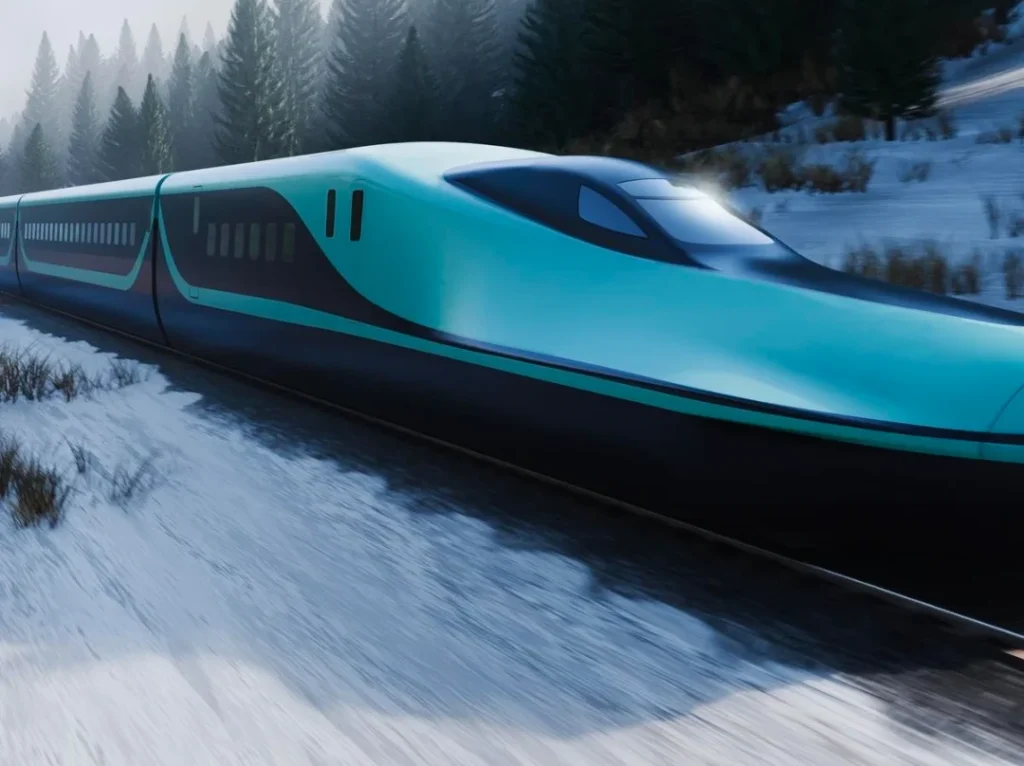
Before introducing the 350 km/h B35, India plans to launch the B28 high-speed trainset.
B28 Highlights
- Design Speed: 280 km/h
- Maximum Operating Speed: Around 249 km/h
- Expected Trial Runs: Early 2027
- Manufacturer: BEML
- Production Facility: Bengaluru High-Speed Rail Complex
The B28 will serve as an important testing platform for manufacturing techniques, safety systems, and high-speed operations before the B35 enters development.
What Makes the B35 Special?
The upcoming B35 is expected to feature a 350 km/h design speed, placing it among the world’s fastest bullet trains.
Unlike many foreign high-speed trains designed for snowy European or Japanese climates, India’s B35 is expected to be engineered for local conditions, including:
- Extreme summer temperatures
- Heavy dust
- Monsoon weather
- Long-distance high-speed operations
These challenges require specialised cooling systems, stronger sealing technology, improved aerodynamics, and maintenance solutions tailored for Indian railways.
Bharat Train Control System (BTCS)
High-speed trains require advanced signalling to operate safely.
India is developing the Bharat Train Control System (BTCS), which is expected to manage train spacing, speed supervision, and safety functions for future high-speed corridors.
The project follows India’s growing focus on developing critical railway technology within the country instead of depending entirely on imported systems.
Why Local Manufacturing Matters
Building bullet trains in India offers benefits beyond faster travel.
Potential advantages include:
- Stronger domestic manufacturing
- New engineering and technical jobs
- Reduced dependence on imports
- Better long-term maintenance support
- Future export opportunities
This approach helps India build expertise in one of the world’s most advanced transportation sectors.
Mumbai-Ahmedabad Bullet Train Progress
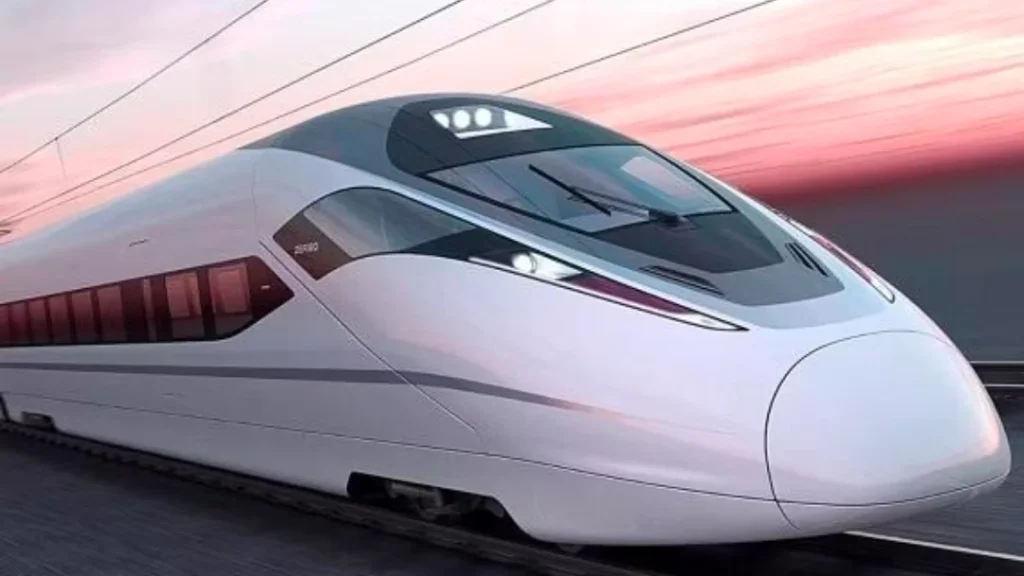
The 508-kilometre Mumbai-Ahmedabad High-Speed Rail corridor remains India’s flagship bullet train project.
The revised project cost now exceeds Rs 2 lakh crore, covering infrastructure upgrades, land acquisition, advanced technology, and future expansion plans.
The corridor is currently targeted for full operation by December 2030, although construction continues in multiple phases.
Future High-Speed Routes
Once the technology matures, additional corridors could dramatically reduce travel times across major cities.
Proposed Travel Times
| Route | Expected Travel Time |
|---|---|
| Mumbai to Pune | Around 48 minutes |
| Hyderabad to Bengaluru | Around 2 hours |
| Delhi to Varanasi | Under 4 hours |
These routes remain part of India’s long-term high-speed rail vision and will require future approvals and construction.
Can India Meet the 2030 Target?
The 2030 deadline is ambitious.
Developing a 350 km/h train involves complex manufacturing, signalling, testing, and infrastructure challenges. However, the phased approach, starting with the B28, gives engineers valuable experience before the B35 arrives.
Dedicated manufacturing facilities, increasing investment, and ongoing infrastructure work provide a stronger foundation for achieving this goal.
Final Thoughts
India’s B35 project is about much more than building a faster train. It represents a long-term effort to develop world-class railway technology within the country.
If the current roadmap stays on schedule, the B35 could become one of India’s biggest transportation achievements, placing the country alongside global leaders in high-speed rail while creating technology designed specifically for Indian conditions.
Also Read This
- Redmi Note 17 Pro vs OnePlus Nord CE6: Which Phone Is Better Under ₹40,000?
- China’s YouTube Bilibili: Why Indian Creators Are Joining Despite No Official India Launch
- ColorOS 17 for OPPO Find X9 Series and OnePlus 15: Features, AI Upgrades, and October Rollout
- World’s Best Countries at Math: Latest Global Rankings Revealed by PISA 2022
- Rolls-Royce Phantom Hummingbird: When Luxury Meets Nature in a One-of-a-Kind Masterpiece