
Tata BaaS Scheme: If you have been following the latest EV news, you may have seen headlines saying that a Rs 21 lakh SUV is now Rs 7.30 lakh cheaper.
At first glance, it sounds like a huge discount. But there is an important catch.
The price difference is linked to Tata Motors’ Battery-as-a-Service (BaaS) model. Under this system, the battery cost is separated from the upfront vehicle price.
So, is the SUV really available at a massive discount?
Not exactly.
Let’s understand how the Tata BaaS scheme works, why the price drops by up to Rs 7.30 lakh, and what buyers actually pay.
What Is the Tata BaaS Scheme?
BaaS stands for Battery-as-a-Service.
Tata Motors has now expanded its BaaS pricing across its electric vehicle range. The option was previously available on the Tiago EV and Punch EV. It has now been extended to models including the Nexon EV, Curvv EV, Sierra EV and Harrier EV.
The basic idea is simple.
Instead of including the complete battery cost in the upfront vehicle price, Tata separates the vehicle and battery costs.
This brings down the initial price of the EV.
However, the battery-related payment does not disappear. It is charged separately based on the BaaS structure, usage and financing terms.
Tata BaaS Scheme: click here
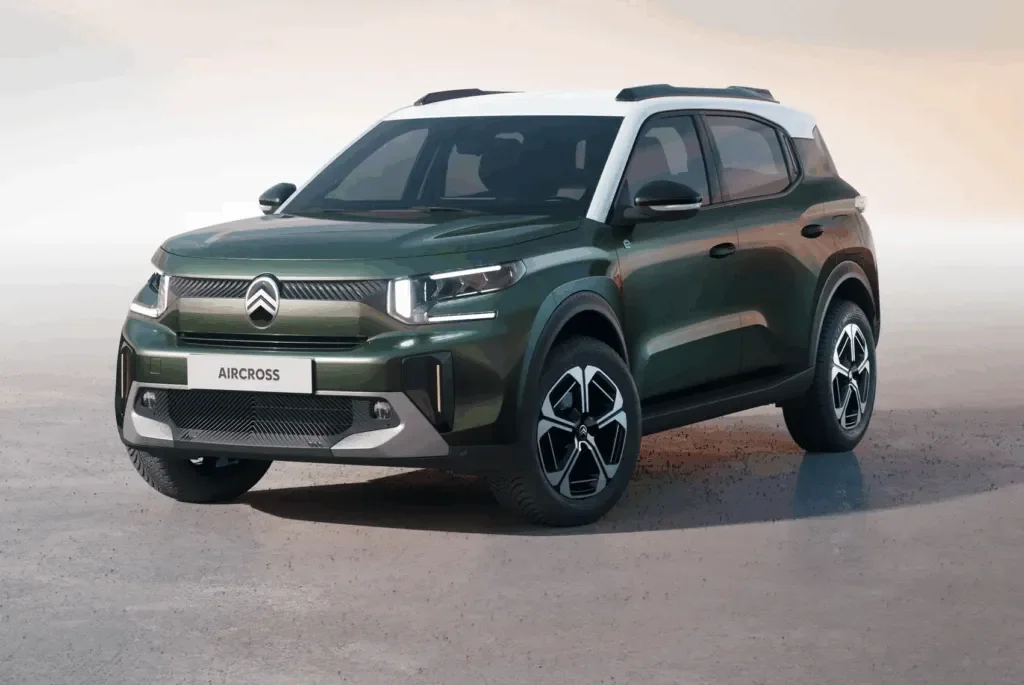
How Does a Rs 21.79 Lakh Harrier EV Become Rs 14.49 Lakh?
The Tata Harrier EV is the biggest example of this new pricing structure.
The regular starting price of the Harrier EV is Rs 21.79 lakh ex-showroom.
Under the BaaS option, the starting vehicle price falls to Rs 14.49 lakh.
That creates an upfront price difference of Rs 7.30 lakh.
But this does not mean Tata has simply reduced the price of the SUV by Rs 7.30 lakh.
The battery-related cost is being handled separately.
For the entry-level Harrier EV with the BaaS option, the announced battery-related charge is around Rs 5.9 per km under the stated usage assumptions. Final costs can vary depending on the variant, financing arrangement, usage and other terms.
Important: The Rs 7.30 lakh figure should be understood as an upfront price reduction under the BaaS structure, not as a conventional Rs 7.30 lakh cash discount.
Tata EV BaaS Prices Explained
The BaaS model is not limited to the Harrier EV.
According to the latest reported pricing, Tata’s EV range gets different upfront reductions depending on the model.
| Tata EV | Regular Starting Price | BaaS Vehicle Price | Upfront Difference |
|---|---|---|---|
| Tiago EV | Rs 6.99 lakh | Rs 4.69 lakh | Rs 2.30 lakh |
| Punch EV | Rs 9.79 lakh | Rs 6.59 lakh | Rs 3.20 lakh |
| Nexon EV | Rs 14.34 lakh | Rs 8.99 lakh | Rs 5.35 lakh |
| Curvv EV | Rs 17.19 lakh | Rs 10.99 lakh | Rs 6.20 lakh |
| Sierra EV | Rs 18.79 lakh | Rs 11.99 lakh | Rs 6.80 lakh |
| Harrier EV | Rs 21.79 lakh | Rs 14.49 lakh | Rs 7.30 lakh |
These are reported starting ex-showroom figures for the respective entry-level variants. BaaS costs can vary with usage, financing terms, variant and other conditions.
Is the Rs 7.30 Lakh Saving a Real Discount?
This is where buyers need to be careful.
If you see a headline saying “Rs 21 lakh SUV gets Rs 7.30 lakh cheaper”, it can sound like Tata has given a massive discount.
But that is not what is happening.
The BaaS model changes how the vehicle and battery costs are paid.
Under the standard purchase model, the battery cost is included in the vehicle price.
With BaaS, the upfront vehicle price is lower because the battery cost is handled separately.
Therefore, the Rs 7.30 lakh difference is better described as an upfront price reduction, rather than a direct discount.
This distinction is important because you still have to account for the battery-related payment.

How Much Do You Pay for the Battery?
The battery payment depends on the model.
For example, the Harrier EV’s BaaS structure has been reported with a battery-related cost of around Rs 5.9 per km.
The Nexon EV is listed at around Rs 4.4 per km, while the Curvv EV is around Rs 5 per km. The Sierra EV is around Rs 5.5 per km under the announced structure.
This means your actual ownership cost depends partly on how much you drive.
For example, a person who drives an EV for long distances every month will have a different battery-related expense from someone who drives only a few kilometres each day.
That is why buyers should calculate their expected yearly running before choosing BaaS.
Why Is Tata Offering BaaS?
Electric cars usually have a higher upfront price than comparable petrol or diesel models.
The battery is one of the major components contributing to the cost of an EV.
By separating the battery-related cost, Tata can advertise a much lower starting price.
This may make EVs look more accessible to buyers who do not want to arrange the entire vehicle cost upfront.
The approach also gives customers another way to structure their EV financing.
Tata’s own website describes BaaS pricing as a dual-loan finance product, with terms subject to financier approval.
What Are the Advantages of BaaS?
1. Lower Upfront Price
The biggest advantage is the lower initial vehicle price.
For the Harrier EV, the BaaS vehicle price starts Rs 7.30 lakh below the regular starting price.
That can make a premium EV easier to consider for buyers who are focused on their initial budget.
2. More Financing Flexibility
Instead of paying for the complete EV cost through one structure, buyers can have separate financing arrangements for the vehicle and battery.
This can give some customers more flexibility in managing their initial purchase.
3. Easier Entry Into Premium EVs
The Harrier EV starts at a significantly lower upfront vehicle price under BaaS.
As a result, the scheme brings a premium electric SUV into a lower initial price bracket.
However, buyers still need to consider the separate battery-related cost before making a decision.
What Are the Disadvantages of BaaS?
1. The Lower Price Does Not Mean Lower Total Cost
This is the most important point.
A lower upfront price does not automatically mean that the car will cost less over the entire ownership period.
You need to consider the battery-related payment along with financing costs, charging expenses, insurance, maintenance and other ownership costs.
Therefore, the total cost depends on your individual usage.
2. High Running Can Increase Battery Payments
If you drive a lot every month, a per-kilometre battery charge can become a significant part of your running cost.
For this reason, high-mileage users should calculate the expected annual battery payment before choosing the BaaS option.
3. Financing Terms Matter
The final amount can depend on factors such as the selected variant, loan tenure, financier and usage assumptions.
So, the advertised BaaS price should not be treated as the final amount every customer will pay.
Buyers should check the complete financing details before signing the agreement.
What About Battery Warranty?
There is another important point that buyers should not confuse with the BaaS pricing.
Tata has introduced lifetime high-voltage battery warranty coverage on select EVs for the first registered owner, subject to the applicable terms and conditions.
For example, Tata’s current warranty information lists lifetime coverage for the Harrier EV for the first registration, with separate limits for subsequent registrations.
Therefore, battery warranty and BaaS are two different things.
BaaS is a pricing and financing structure, while the battery warranty is related to battery coverage.
Is the Tata Harrier EV Really Available for Rs 14.49 Lakh?
Yes, but there is an important distinction.
The Rs 14.49 lakh figure is the starting vehicle price under the BaaS structure, not the complete cost of owning a Harrier EV with the battery included.
The regular starting ex-showroom price is Rs 21.79 lakh.
Under BaaS, the vehicle price becomes Rs 14.49 lakh, while the battery-related payment is handled separately.
So, saying that the Harrier EV has received a direct Rs 7.30 lakh discount would be misleading.
The more accurate description is that the upfront vehicle price is Rs 7.30 lakh lower under the BaaS option.
Should You Choose BaaS or the Regular Purchase Option?
There is no single answer for every buyer.
If your main priority is a lower initial vehicle price, BaaS can be worth considering.
On the other hand, if you drive very high kilometres every month, you should carefully calculate the battery-related payments over several years.
The best way to compare the two options is to look at the total ownership cost, rather than only the starting price.
Before booking the car, ask the dealer for a complete written breakup of:
- Vehicle price
- Battery-related payment
- Loan amount
- Interest rate
- Loan tenure
- Per-kilometre charge
- Down payment
- Insurance
- Registration and other statutory charges
- Total amount payable
This will give you a much clearer picture of what the EV will actually cost.
Final Verdict: What’s the Real Story Behind the Rs 7.30 Lakh Saving?
The headline is real, but it needs context.
Tata Motors has expanded its Battery-as-a-Service scheme to its wider EV portfolio. The Harrier EV gets the biggest upfront reduction, with its vehicle price falling from Rs 21.79 lakh to Rs 14.49 lakh under the BaaS structure.
However, the Rs 7.30 lakh difference is not a normal cash discount.
The battery-related cost is separated from the vehicle price and charged through the BaaS structure.
So, if you are planning to buy a Tata EV, don’t look only at the attractive starting price.
Calculate your expected running, battery-related payments and financing costs first.
That is the real key to understanding the Tata BaaS scheme.
Also Read This
- Vivo Y600i Review: Is the 8,000mAh Battery Phone Really Worth Buying?
- 5 Best AirPods Pro 3 Alternatives in 2026: Top Wireless Earbuds for Every Budget
- Tesla Optimus Robots Near 1,000 Weekly Production, but the Biggest Challenges Are Still Ahead
- Henry Ford’s Soybean Car: The 1941 Green Invention That Challenged the Steel Automobile Industry
- Huawei Mate 90 Leaks: New Design, Green Color and October 1 Launch