
Alakoko Fishpond: When people think about tech billionaires, they often imagine artificial intelligence, social media, luxury homes, and massive business empires.
However, Mark Zuckerberg and his wife, Priscilla Chan, have also supported a very different kind of project. In 2021, the couple donated $4 million to help protect the historic Alakoko Fishpond on the Hawaiian island of Kauaʻi.
What makes this story especially interesting is that the donation did not give Zuckerberg or Chan ownership of the property. Instead, the money helped make it possible for the land to be purchased for conservation and community use.
What Is the Alakoko Fishpond?
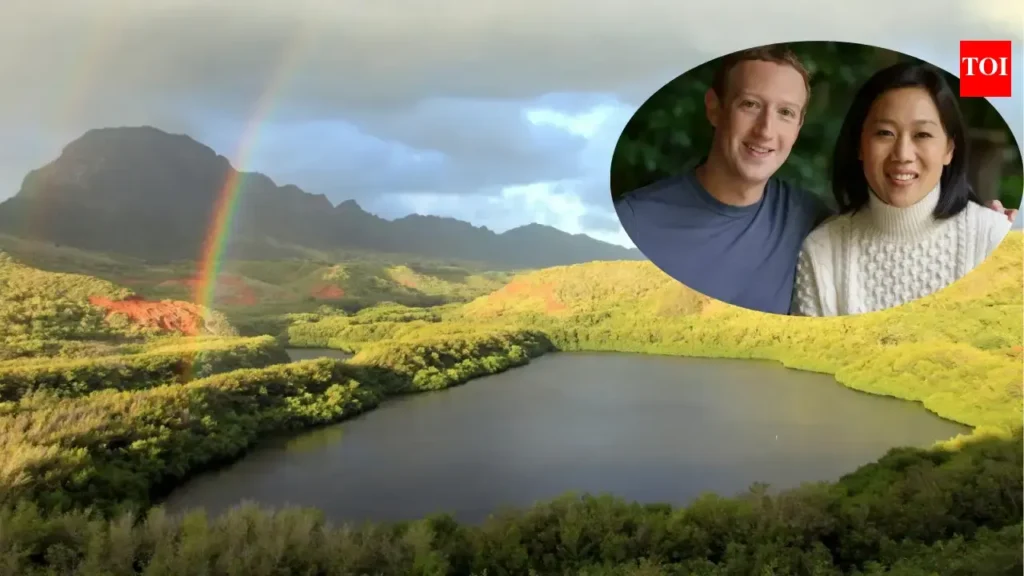
Alakoko Fishpond, also known as the Menehune Fishpond, is located near Līhuʻe on Kauaʻi, Hawaii. The historic site covers about 102 acres and includes a remarkable 2,700-foot-long fishpond wall, known as a kuapā.
The fishpond is believed to be around 600 years old. It represents traditional Hawaiian knowledge of managing water, fish, wetlands, and natural resources.
For generations, fishponds like Alakoko played an important role in providing food for local communities. They were also part of a wider Hawaiian system of working with the natural environment rather than simply treating it as a resource.
According to the Trust for Public Land, Alakoko once served as a nursery for fish, seaweed, and other seafood. Over time, however, neglect, invasive mangroves, and sediment buildup affected the pond and its surrounding ecosystem.
Why Was the Fishpond in Danger?
The future of Alakoko became uncertain when the 102-acre property was placed on the open market in January 2021.
Local residents and conservation groups were concerned that the historically important land could eventually face development. The community responded quickly because losing the property could have meant losing an important part of Kauaʻi’s cultural and environmental heritage.
More than 5,500 people signed an online statement supporting permanent protection of Alakoko. Hundreds of community members and organizations also submitted written testimony in support of the conservation effort.
At the same time, The Trust for Public Land and the local nonprofit Mālama Hulē‘ia worked to find a way to purchase and protect the property.
How Did Zuckerberg and Chan Help?
The conservation groups were looking for funding when Mark Zuckerberg and Priscilla Chan stepped in with a $4 million charitable donation through the Chan Zuckerberg Kauaʻi Community Fund of the Hawaiʻi Community Foundation.
The donation provided funding for the conservation purchase, transaction expenses, and support for the organizations involved in the project.
The Trust for Public Land completed the purchase of the property on November 17, 2021. The land was then transferred to Mālama Hulē‘ia for long-term community and cultural stewardship.
This meant the donation played a major role in helping secure the future of the historic fishpond.
Did Zuckerberg and Priscilla Chan Become the Owners?
No.
This is one of the most important details of the story.
The $4 million was a charitable contribution. According to The Trust for Public Land, Zuckerberg and Chan do not have any ownership interest in the property.
Instead, the property is now under the stewardship of Mālama Hulē‘ia, a community-based nonprofit. The deed also requires the property to remain dedicated to conservation, education, and community purposes in perpetuity.
So, the contribution helped purchase and protect the land without giving the donors ownership of the fishpond.
What Will Happen to Alakoko Fishpond?
Protecting the land was only the beginning.
Mālama Hulē‘ia plans to continue restoring the fishpond, its surrounding wetlands, and wildlife habitat. One of the major goals is to repair the historic fishpond wall and improve the ecosystem.
The organization also wants Alakoko to become an outdoor learning environment.
Students and community members can learn about Native Hawaiian culture, traditional fishpond systems, native ecosystems, and environmental restoration.
There is also a long-term goal of restoring Alakoko as a working fishpond that can once again support local food production.

Why Is This Fishpond So Important?
Alakoko is more than an old pond.
It connects Hawaiian history, culture, food production, and environmental knowledge.
Traditional fishpond systems were designed around the natural movement of water and marine life. Restoring them can therefore provide lessons about sustainability, food security, and responsible environmental management.
For that reason, protecting Alakoko is not simply about preserving an old structure. It is also about keeping traditional knowledge and cultural practices connected to future generations.
A Community Effort, Not Just a Billionaire Donation
Although Zuckerberg and Chan’s $4 million contribution was crucial, the preservation of Alakoko was also the result of a much larger community effort.
Local residents had already been pushing for the fishpond to be protected. More than 5,500 people supported the campaign, while community groups and organizations worked alongside conservation partners.
The Trust for Public Land helped organize the acquisition, while Mālama Hulē‘ia became responsible for the property’s long-term stewardship.
That makes the story more than a simple example of billionaire philanthropy. It is also a story about local people trying to protect a place that has cultural and environmental value.
The Bigger Lesson From Alakoko
The story of Alakoko Fishpond shows how different groups can work together to protect historic places.
A community can provide local knowledge and support. Conservation organizations can help with planning and land protection. At the same time, private donations can provide the funding needed to complete a major purchase.
In this case, the $4 million donation helped turn a conservation effort into a permanent protection project.
The future work, however, still requires long-term community involvement, restoration, education, and funding.
A 600-Year-Old Story With a Future
Alakoko Fishpond has survived for centuries, but its future was not always guaranteed.
Today, the site has a different kind of protection. Instead of being left vulnerable to possible development, it is being managed for conservation, education, community use, and cultural stewardship.
The goal is not simply to preserve the fishpond as a historical landmark. The larger ambition is to restore it as a living part of the Kauaʻi community.
That makes the Alakoko story particularly meaningful. A place that once helped feed generations of people could once again become a place where future generations learn about Hawaiian culture, nature, food systems, and traditional knowledge.
For a fishpond that has already survived around six centuries, that may be the most important part of its story yet.
Also Read This
- 5 Best AirPods Pro 3 Alternatives in 2026: Top Wireless Earbuds for Every Budget
- Tesla Optimus Robots Near 1,000 Weekly Production, but the Biggest Challenges Are Still Ahead
- Henry Ford’s Soybean Car: The 1941 Green Invention That Challenged the Steel Automobile Industry
- Huawei Mate 90 Leaks: New Design, Green Color and October 1 Launch
- Rs 21 Lakh SUV Gets Rs 7.30 Lakh Cheaper: What Is This BaaS Scheme? Full Truth Explained