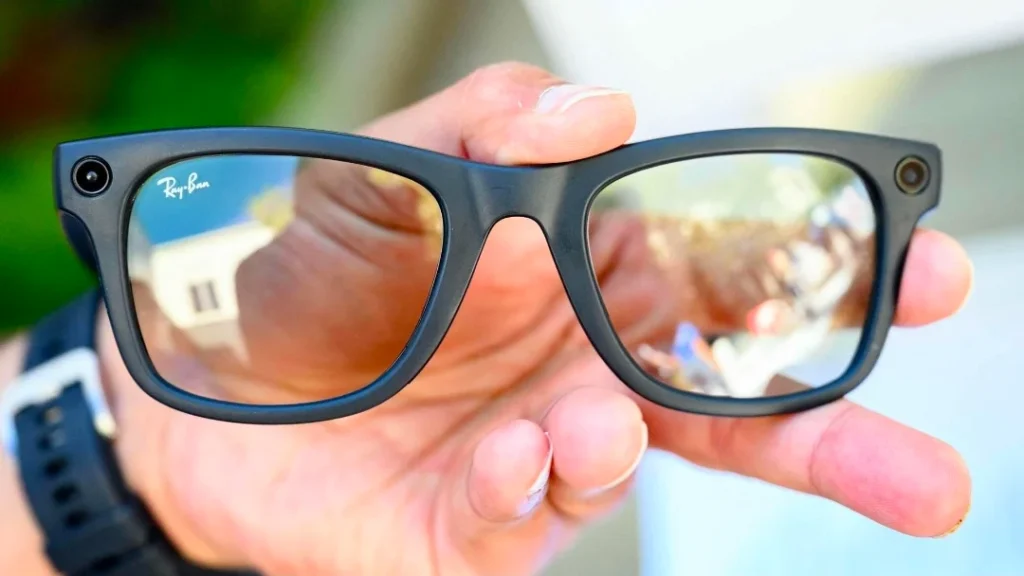
HTC Vive Eagle vs Ray-Ban Meta: Smart glasses are no longer just futuristic gadgets. They are becoming practical devices for creators, travelers, professionals, and everyday users who want AI assistance without constantly reaching for their phones. From taking hands-free photos to recording videos, answering calls, translating languages, and using AI assistants, these wearable devices are changing how people interact with technology.
Two of the biggest names creating excitement right now are Ray-Ban Meta Smart Glasses and HTC Vive Eagle. At first glance, both look like ordinary glasses, but they are designed for different users. Ray-Ban Meta focuses on style and everyday convenience, while HTC Vive Eagle targets creators with advanced AI tools and professional recording features.
In this detailed comparison, we’ll explore their design, camera quality, AI capabilities, battery life, durability, pricing, and real-world usability to help you decide which smart glasses deserve your money.
HTC Vive Eagle vs Ray-Ban Meta: Quick Specs Comparison
| Feature | Ray-Ban Meta | HTC Vive Eagle |
|---|---|---|
| Processor | Snapdragon AR1 Gen 1 | Snapdragon AR1 Gen 1 |
| Weight | 49–51g | 48.5–49g |
| Camera | 12MP Ultra-Wide | 12MP Ultra-Wide |
| Video Recording | HD Video | 3K Video + 120fps |
| AI Assistant | Meta AI | Gemini + ChatGPT |
| Live Translation | Limited | 70+ Languages |
| Live Streaming | No | Yes |
| Water Protection | IPX4 | IP54 |
| Price | $299–329 | $499–599 |
Design and Comfort
A smart pair of glasses should feel comfortable enough to wear throughout the day, and this is where both companies have invested significant effort.
Ray-Ban Meta Design
Ray-Ban Meta keeps the iconic Wayfarer-inspired design that has been popular for decades. The cameras and speakers blend naturally into the frame, making it difficult for most people to notice that these are smart glasses.
The balanced weight also makes them comfortable for long hours of daily use, whether you’re walking, commuting, or creating quick social media content.
HTC Vive Eagle Design
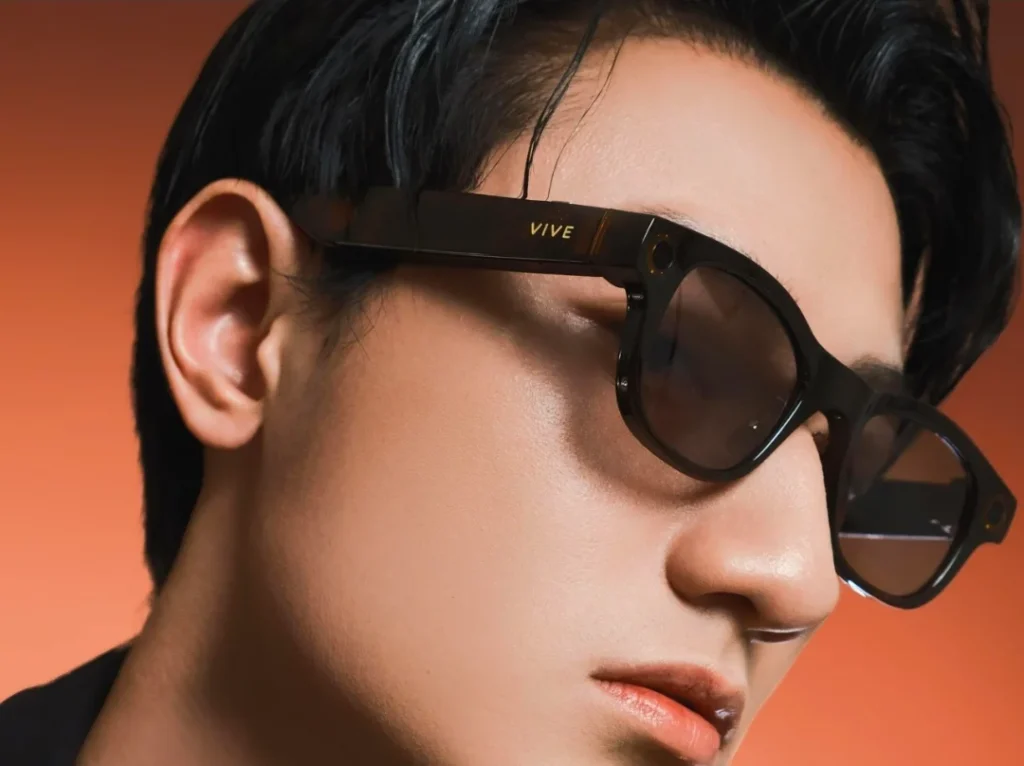
HTC has chosen a slightly different approach by offering both Square and Pantos frame styles. The glasses weigh around 48.5 grams, making them slightly lighter than many competing models.
One of the biggest advantages is the inclusion of ZEISS lenses, which are available in clear, sunglasses, and adaptive versions that automatically adjust to sunlight.
Design Verdict
If your priority is fashion and everyday wear, Ray-Ban Meta feels more like a premium lifestyle accessory. If you prefer premium lens options and modern frame flexibility, HTC Vive Eagle offers more customization.
Camera Quality and Content Creation
The camera is one of the biggest reasons people invest in smart glasses, and this is where both brands begin to separate themselves.
Ray-Ban Meta Camera
Ray-Ban Meta includes a 12MP ultra-wide camera designed for quick photography and smooth vertical videos.
It works particularly well for:
- Instagram Reels
- Facebook Stories
- Everyday photography
- Hands-free moments
The camera prioritizes convenience over professional creator features.
HTC Vive Eagle Camera
HTC aims directly at content creators.
Its 12MP ultra-wide camera supports:
- 3K video recording
- 120fps slow-motion videos
- Higher-quality creator-focused footage
The biggest highlight is the ability to stream directly to YouTube and Twitch, making it far more attractive for vloggers and live creators.
Camera Comparison Table
| Feature | Ray-Ban Meta | HTC Vive Eagle |
|---|---|---|
| 12MP Camera | Yes | Yes |
| Ultra-Wide Lens | Yes | Yes |
| 3K Recording | No | Yes |
| 120fps Slow Motion | No | Yes |
| Live Streaming | No | Yes |
For serious creators, HTC clearly offers more advanced recording capabilities.
AI Features: Which Glasses Are Smarter?
Artificial Intelligence is becoming the heart of wearable technology.
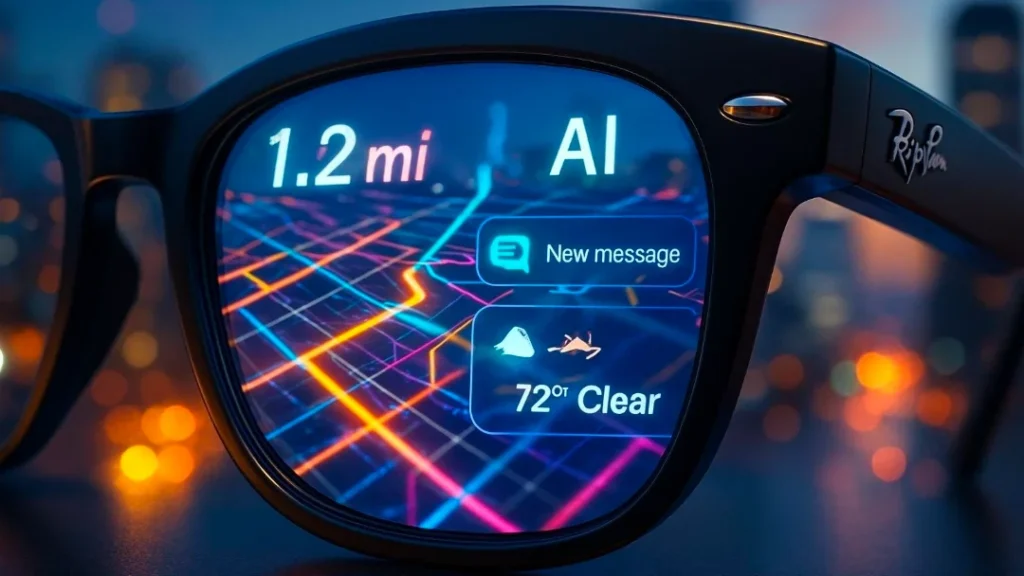
Ray-Ban Meta AI
Meta AI allows users to:
- Ask questions using voice commands
- Identify objects
- Get real-time assistance
- Control functions hands-free
It works particularly well for everyday convenience.
HTC Vive Eagle AI
HTC expands the experience significantly by supporting both Google Gemini and OpenAI ChatGPT.
It also includes:
- VIVE AI Notes
- Conversation transcription
- Automatic summaries
- AES-256 encrypted local storage
One of its most impressive features is live visual translation across more than 70 languages, making it useful for international travel and professional communication.
Audio Performance
Both models use open-ear speakers, allowing users to enjoy music while remaining aware of their surroundings.
Ray-Ban Meta Audio
- Clear phone calls
- Multiple microphones
- Balanced everyday sound
HTC Vive Eagle Audio
- Open-ear speakers
- Virtual bass enhancement
- Creator-focused microphone setup
Neither replaces premium headphones, but both offer excellent hands-free listening.
Battery Life
Battery performance depends heavily on AI usage, video recording, and streaming.
| Battery Feature | Ray-Ban Meta | HTC Vive Eagle |
|---|---|---|
| Continuous Use | Around 4 Hours | 3.5–4.5 Hours |
| Charging Case | Yes | Yes |
| Standby Time | Up to 36 Hours | Up to 36 Hours |
For everyday users, both glasses deliver similar battery performance, although live streaming naturally consumes more power.
Durability and Protection
Outdoor users should also consider protection against water and dust.
Ray-Ban Meta
- IPX4 splash resistance
- Suitable for light rain and sweat
HTC Vive Eagle
- IP54 dust and water resistance
- Better outdoor protection
- Durable ZEISS lens options
HTC offers stronger overall durability for users who frequently travel or work outdoors.
Performance and Processor
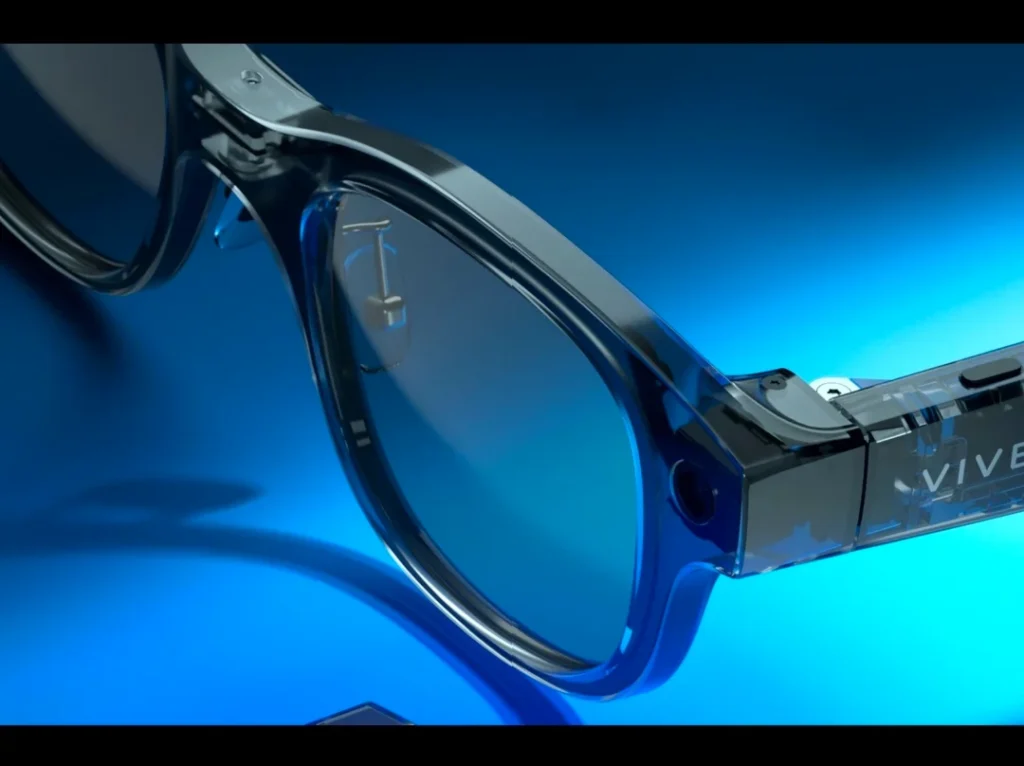
Interestingly, both smart glasses use the Qualcomm Snapdragon AR1 Gen 1 processor.
This chip helps improve:
- AI processing
- Voice recognition
- Camera performance
- Battery efficiency
- Wireless connectivity
While both share the same hardware foundation, HTC adds extra software features that create a more advanced experience.
Price Comparison
Price remains one of the biggest deciding factors.
| Model | Approximate Price |
|---|---|
| Ray-Ban Meta | $299–329 |
| HTC Vive Eagle | $499–599 |
Ray-Ban Meta offers a more affordable premium experience, while HTC Vive Eagle enters the higher-end creator category.
Who Should Buy Ray-Ban Meta?
Ray-Ban Meta is ideal for users who want:
- Stylish everyday smart glasses
- Easy social media content creation
- Reliable voice assistance
- Lower starting price
- Comfortable all-day wear
It combines classic fashion with practical smart features.
Who Should Buy HTC Vive Eagle?
HTC Vive Eagle is a better choice if you need:
- 3K video recording
- 120fps slow-motion videos
- YouTube and Twitch live streaming
- Gemini and ChatGPT integration
- AI meeting summaries
- Live translation across 70+ languages
It is clearly designed for creators, professionals, and advanced AI users.
Final Verdict
Both smart glasses represent the future of wearable technology, but they target different audiences.
Ray-Ban Meta stands out for users who want fashionable glasses with practical AI features, quick photography, and a more affordable price.
HTC Vive Eagle focuses on creators by offering professional recording features, powerful AI integrations, multilingual translation, and live streaming capabilities.
If your priority is style and everyday convenience, Ray-Ban Meta remains an excellent choice. If your workflow revolves around content creation and AI productivity, HTC Vive Eagle offers a richer feature set despite its higher premium price.
As wearable technology continues to evolve, both models prove that smart glasses are no longer just experimental gadgets. They are becoming practical companions for work, travel, communication, and content creation, making this one of the most exciting categories in consumer technology today.
Also Read This
- Redmi Note 17 Pro vs OnePlus Nord CE 6 Comparison: Which Phone Offers More Under Rs. 40,000?
- iOS 27 Lets You Watch YouTube on Apple CarPlay: How It Works
- Reliance Ice Cream Launch: Why Bombay Creamery Could Change India’s Frozen Food Market
- China’s New Shijian-31 Spy Satellite: What It Means for Global Space Security
- Honor MagicOS 11: Liquid Glass Design and AI Features That Make Android Feel New